Interactive Technology in Exhibition Stands: AR, VR, and Digital Experiences
# Interactive Technology in Exhibition Stands: AR, VR, and Digital Experiences
Technology has fundamentally transformed how brands engage audiences at exhibitions. What once seemed like futuristic innovations—augmented reality, virtual reality, and interactive digital displays—have become expected components of premium exhibition experiences. The brands leading their industries are those that strategically integrate technology to create immersive, memorable experiences that drive engagement and conversion.
Understanding the Technology Landscape
The exhibition technology landscape includes several distinct approaches, each with specific applications and benefits. Augmented Reality (AR) overlays digital content onto the physical environment, allowing visitors to visualize products in real-world contexts. Virtual Reality (VR) creates fully immersive digital environments for exploring complex scenarios. Mixed Reality (MR) combines elements of both, creating hybrid experiences. Interactive displays and touchscreens provide digital engagement without immersive technology.
Effective exhibition technology strategy matches technology to specific objectives rather than adopting technology for its own sake. The most successful implementations solve real problems or create unique value that wouldn't be possible through traditional means.
Augmented Reality Applications
AR technology offers powerful applications for product visualization and demonstration. Visitors can use smartphones or tablets to see how products would look in their environments, visualize complex product features, or explore product variations.
For example, furniture brands use AR to show how pieces would look in customer spaces. Industrial equipment manufacturers use AR to demonstrate complex assembly processes. Fashion brands use AR for virtual try-ons. These applications create engaging experiences while providing practical value to visitors.
Virtual Reality Demonstrations
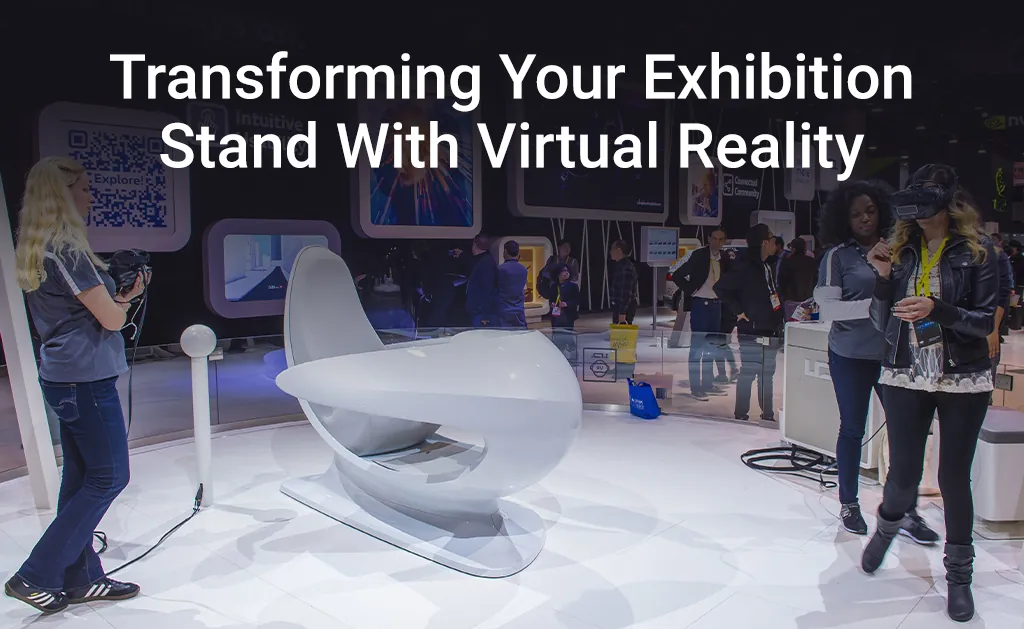
VR creates fully immersive experiences that transport visitors to entirely different environments. This technology excels at demonstrating scenarios impossible or impractical to recreate physically.
Real estate developers use VR to showcase properties under construction. Automotive brands use VR for test drive simulations. Travel companies use VR to preview destinations. Manufacturing companies use VR to demonstrate complex processes or dangerous scenarios safely. These immersive experiences create memorable impressions and deeper understanding than traditional demonstrations.
Interactive Touchscreen Displays
Interactive touchscreen displays provide engaging digital experiences without requiring specialized equipment. Visitors can explore product catalogs, configure custom solutions, access detailed specifications, or play interactive games.
Effective touchscreen experiences are intuitive, visually engaging, and provide genuine value. The best implementations recognize that visitors have limited attention spans and design interfaces accordingly—clear navigation, compelling visuals, and quick payoff.
Gamification and Engagement
Interactive technology enables gamification strategies that increase engagement and create memorable experiences. Visitors might earn points for completing challenges, compete on leaderboards, or unlock rewards through interactive participation.
Gamification works because it taps into fundamental human motivations—achievement, competition, and reward. When designed thoughtfully, gamification increases time spent at your stand, creates positive associations with your brand, and generates social sharing.
Data Collection and Personalization
Interactive technology enables sophisticated data collection that informs personalization strategies. Visitor interactions with digital displays, AR experiences, or VR demonstrations generate valuable data about interests, preferences, and engagement patterns.
This data enables real-time personalization—adjusting messaging, product recommendations, or follow-up communications based on observed interests. Personalized experiences create stronger connections and higher conversion rates.
Integration with CRM Systems
The most sophisticated exhibition technology integrates with CRM systems, enabling seamless lead capture and qualification. Visitors interacting with digital experiences are automatically added to CRM systems with detailed information about their interests and engagement.
This integration transforms technology from engagement tool into lead generation engine. Your sales team receives real-time notifications about high-engagement prospects, enabling immediate follow-up.
Creating Memorable Experiences
The ultimate purpose of exhibition technology is creating memorable experiences that visitors associate with your brand. Technology should enhance human connection rather than replace it.
The most successful implementations use technology to facilitate conversations between visitors and brand representatives. A VR demonstration might spark discussion about applications in the visitor's specific industry. An AR visualization might lead to detailed product conversations. Technology serves as a conversation starter, not a substitute for human engagement.
Overcoming Common Technology Pitfalls
Many brands implement exhibition technology ineffectively. Common pitfalls include:
- **Technology for its own sake:** Using impressive technology without clear business objectives - **Poor user experience:** Confusing interfaces or unreliable systems frustrate visitors - **Insufficient training:** Staff unable to explain or troubleshoot technology - **Lack of integration:** Technology operating in isolation rather than supporting overall strategy - **Underestimating technical requirements:** Failing to account for power, connectivity, or space needs
Successful technology implementation requires clear objectives, thoughtful design, thorough training, and robust technical support.
The Future of Exhibition Technology
Exhibition technology continues evolving rapidly. Emerging technologies like AI-powered personalization, blockchain-based credential verification, and advanced biometric analytics promise new possibilities. However, the fundamental principle remains constant: technology should enhance human connection and create genuine value for visitors.
Conclusion
Interactive technology has become essential to competitive exhibition strategies. AR, VR, interactive displays, and gamification create immersive experiences that engage visitors, generate data, and drive conversion. The brands leading their industries recognize that technology is most powerful when it enhances human connection, creates genuine value, and supports clear business objectives. As technology continues evolving, the competitive advantage belongs to brands that innovate thoughtfully and execute excellently.
Keywords:
Ready to Elevate Your Exhibition Strategy?
Let our team of exhibition experts help you create memorable brand experiences that drive measurable results.